
Most massage therapists take barefoot massage classes to get into this work because they love helping people feel at home in their bodies, but somewhere around year three or four, the math starts getting scary. Your thumbs ache before your third client of the day, your wrists click when you turn the steering wheel on the drive home, and you catch yourself calculating how many more years your joints can sustain this kind of wear.
A sustainable massage career shouldn’t cost you your own physical comfort. That is where barefoot massage classes and hands-free continuing education step in to change the game entirely. At the Center for Barefoot Massage (CBM), we train licensed massage therapists across the country to swap out strained thumbs and pinched shoulders for gravity, body weight, and grounded, intelligent contact.
Takeing an ashiatsu barefoot massage class isn’t just about offering a trendy deep tissue option on your service menu. It is legitimate, career-extending biomechanics that protects your body while offering clients work that feels deeper, broader, and far more connected than standard table routines.
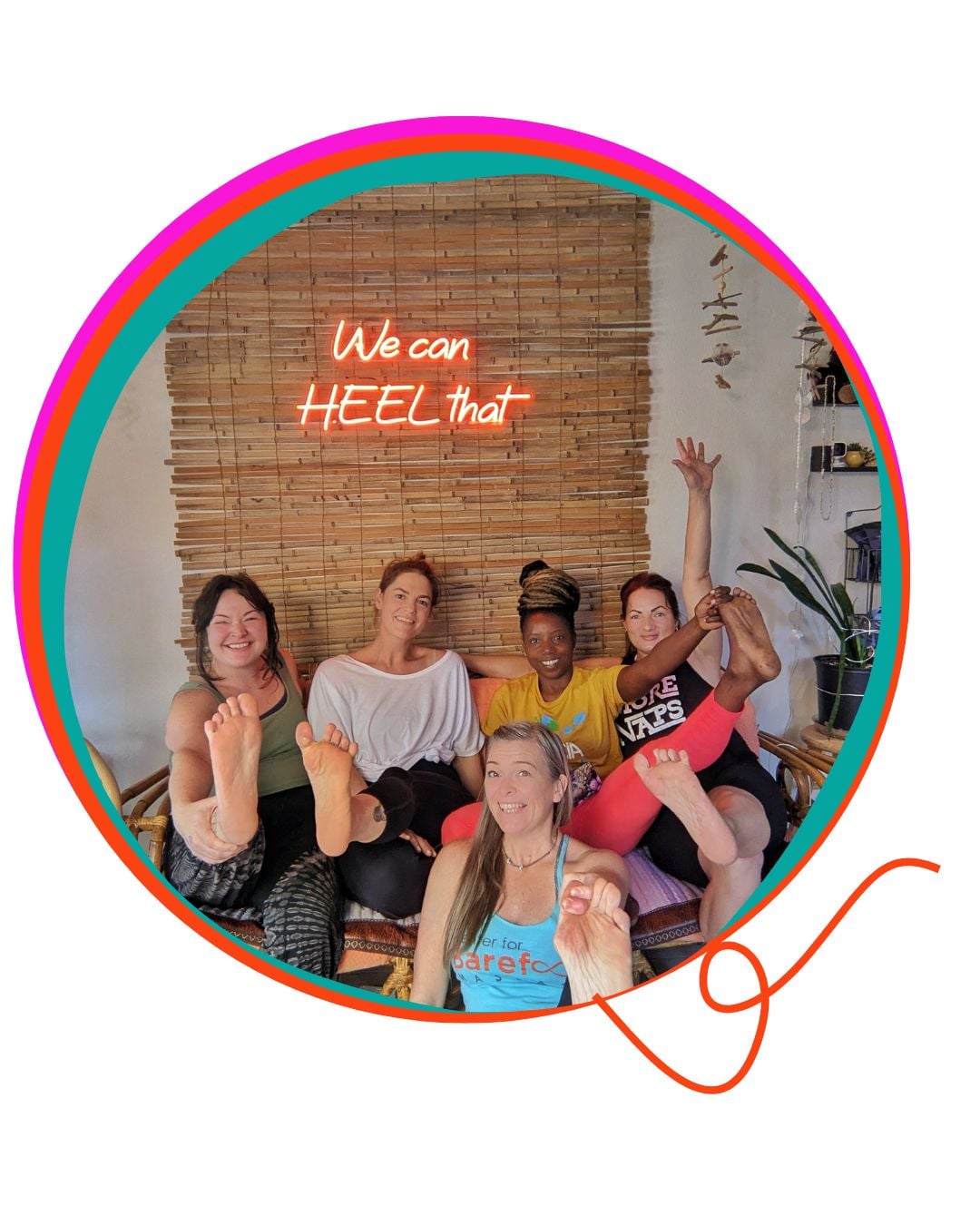
Why Ashiatsu Barefoot Massage Classes Protect Your Hands and Career
The repetitive strain of traditional deep tissue work wears down small joints fast. Hands, wrists, forearms, and lower backs bear the brunt when therapists rely on muscle strength to push deeper into tight tissue.
When you learn to work with your feet, everything flips in your favor:
-
Gravity replaces muscle force: Instead of leaning into a client with your shoulders and grinding your thumbs into trigger points, your body weight and overhead support bars do the heavy lifting with effortless control.
-
Broad, seamless surfaces: The foot naturally provides broader, softer contact that covers expansive muscle tracks without the sharp, poking sensation that causes clients to tense up.
-
Better posture and full-body movement: You spend your workdays upright, mobile, and balanced instead of hunched over a low table for six hours at a time.
-
Double your daily volume without exhaustion: Therapists who transition to barefoot massage regularly report finishing full schedules with energy left over for their own lives.
A common myth among LMTs is that you need to be a specific size, weight, or build to step into the bars. Whether you are a petite therapist worried about muscling pressure, a larger therapist learning to modulate mass, or managing hypermobile joints, barefoot massage is built around adaptability and leverage.
For a deep dive into the ergonomics, equipment requirements, and mechanics across different body types, download our guide on Skill, Safety & Adaptability in Barefoot Massage (PDF) and read this post.
Investing in body-saving continuing education through our barefoot massage classes means you stop burning the candle at both ends, giving your private practice the stability it needs to last decades.

The Science Underfoot: Fascia, Biotensegrity, and Fluid Systems
When clients hop on your table, they often expect the standard “knot-busting” grind, but modern pain science and tissue research tell a completely different story. The body isn’t a stack of rigid blocks where you simply pound one stuck part into submission. It acts as a continuous tensegrity system, an interconnected network where tension, compression, and movement disperse across the whole structure.
Barefoot massage works directly with this design:
-
Hydrating fascial networks: Fascia links every structure in the human frame. When these layers lose hydration and glide, movement feels stiff, sticky, and older than it really is. Slow, broad foot strokes melt through superficial resistance, helping layers slide and communicate naturally again.
-
Downregulating protective tension: Pain is often the nervous system’s way of asking for safety, not a sign of broken mechanics. Because barefoot pressure arrives smoothly without sharp spikes, the client’s brain stops bracing and allows deep tissue to soften on its own terms.
-
Sharpening interoception: Clients learn to tune into their internal landscape as sustained contact moves across long myofascial lines. They notice where they hold breath, where tension hides, and how their neck, pelvis, and feet interact as a fluid system.
When you bring this level of tissue literacy to the table, clients stop seeing their appointments as an occasional spa indulgence. They see your work as essential maintenance for longevity and functional movement. Download our course research and citations guide (PDF) to see the studies on fascia, tensegrity, and pain science informing the barefoot massage classes that we teach.
FasciAshi Training: Continuing Education Built for Real Longevity
Center for Barefoot Massage classes are designed by working therapists for working therapists. Whether you are looking for NCBTMB-approved CE hours, searching for regional hands-on workshops in your area, or ready to overhaul your entire clinical approach, our curriculum meets you right where your hands need relief.
FasciAshi Fundamentals:
Our core myofascial ashiatsu training teaches you how to navigate overhead bars, control pressure through balance, and deliver seamless, full-body strokes on a standard massage table. We use the Ashi-Strap, which originated right here with us through our owner and co-founder, Jeni Spring, so your first step into strap support starts in this class. You’ll master safe foot positioning, client draping, and biomechanics so you step into your next session with complete confidence. Click here for a full course overview!
Barefoot Matwork:
No overhead bars? Barefoot Matwork brings these techniques down to floor level. Learn how to support your balance using props, balance poles, and body weight while working on clients on a comfortable mat setup. It is versatile, accessible, and perfect for mobile therapists or shared studio spaces. Click here for a full course overview!
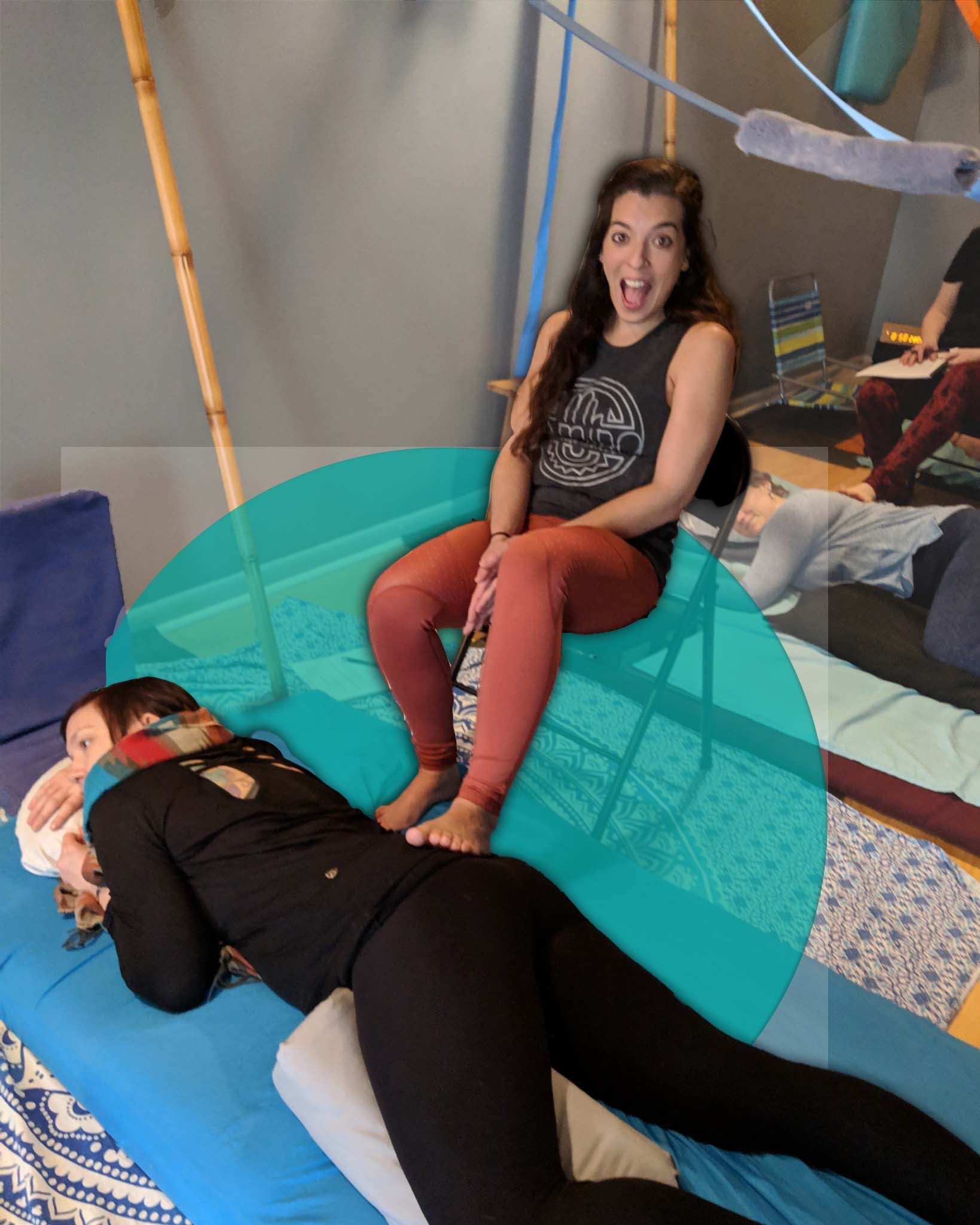
Stand 10 Toes Down on Your Practice
If you are ready to stop trading your physical well-being for your livelihood, the next step is straightforward. Join an upcoming FasciAshi Fundamentals or Barefoot Matwork workshop near you, earn meaningful continuing education hours, and give your hands the retirement they deserve while your business thrives.
Do you want to FEEL IT first? Find a therapist and get underfoot with one of our past students here.
Are you looking to take your first barefoot massage class locally, or are you figuring out whether bar-supported ashiatsu massage or barefoot matwork fits your current studio space best? Let us know in the comments below, or email info@centerforbarefootmassage.com
Most massage therapists take barefoot massage classes to get into this work because they love helping people feel at home in their bodies, but somewhere around year three or four, the math starts getting scary. Your thumbs ache before your third client of the day, your wrists click when you turn the steering wheel on the drive home, and you…